Shared Meals and Social Wellness
Exploring cultural and social dimensions of communal eating and shared meals in regional traditions
Communal Eating in Wessex Traditions
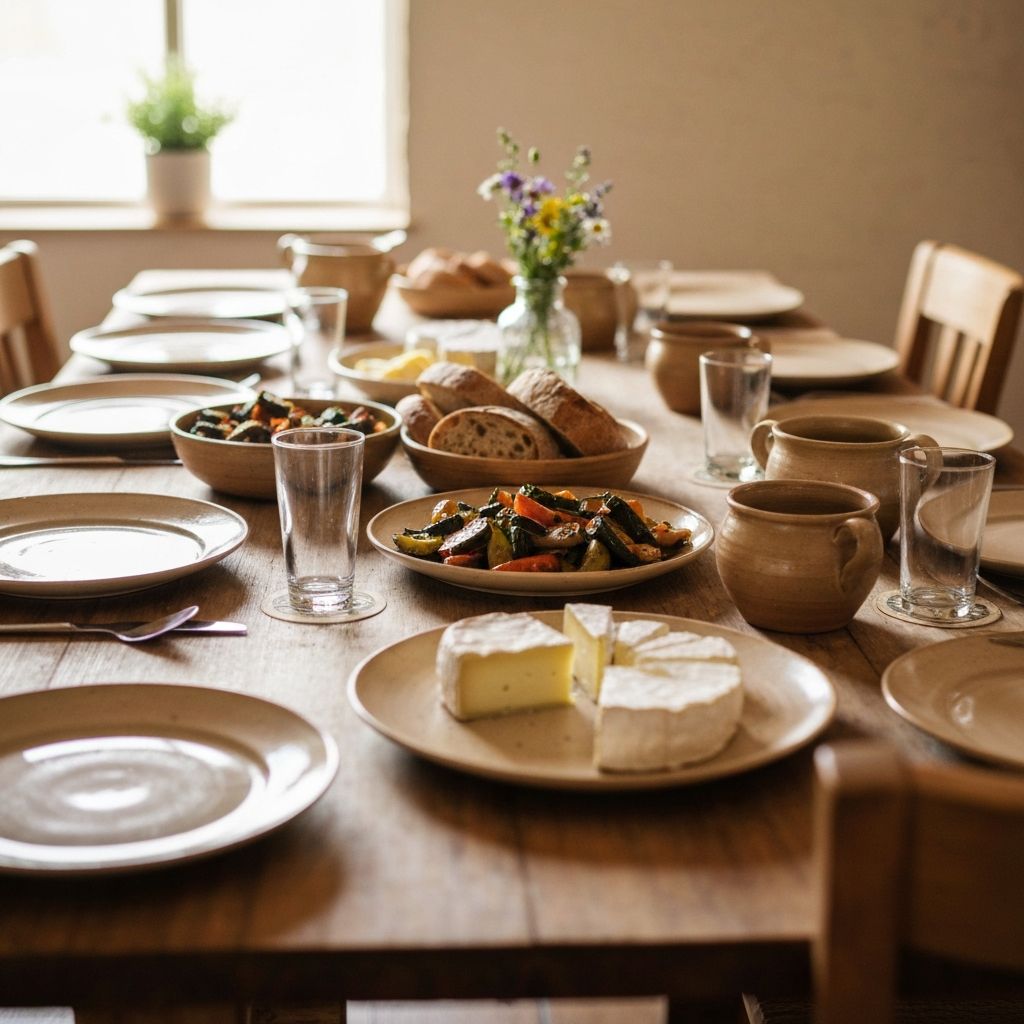
Food in Wessex communities was profoundly social. Shared meals, communal gatherings, and collective eating experiences held cultural and social significance beyond nutritional function.
Family meals represented regular daily social interaction. Extended family gatherings, community celebrations, and religious occasions often centered on shared food. These gatherings built and reinforced social bonds.
The preparation and sharing of food created collaborative work, transmitted cultural knowledge, and expressed community values and identities. Food practices reflected and created social cohesion.
Family Meal Structures
Regular family meals served multiple functions beyond feeding. They provided regular social contact, transmitted cultural knowledge and values, and created rhythms to daily life.
The organization of family meals reflected social relationships and family hierarchy. Traditional meal structures assigned roles to different family members and created consistent patterns of interaction.
Shared meals provided opportunities for conversation, decision-making, conflict resolution, and transmission of family and cultural traditions. These conversations often occurred during or around shared meals.
Celebrations and Festival Foods
Special occasions, religious celebrations, and community festivals featured particular foods and communal eating. These occasions marked important moments in the cultural calendar and brought communities together.
Specific foods became associated with particular celebrations—seasonal festivals, religious occasions, harvest celebrations. These foods marked the meaning of the occasion and were part of how communities experienced and expressed cultural identity.
Festival meals often involved preparation of special foods and coordination of preparation work across the community. This collaborative preparation was part of how celebrations were experienced.
Religious and Cultural Meal Practices
Religious traditions shaped meal practices. Religious observances often included specific meals or restrictions on certain foods at particular times. Fasting and feast days created rhythms to the religious calendar and affected food practices.
Religious meals and communal religious gatherings often centered on shared food. These occasions connected spiritual practice to social experience through communal eating.
Cultural traditions specific to Wessex communities found expression through particular meal practices, dishes, and celebration foods. These traditions marked cultural identity and continuity.
Work and Harvest Meals
Agricultural work, particularly harvest season, involved collective labor and communal eating. Meals provided necessary nutrition for workers and occasions for social coordination and celebration of shared work.
Harvest celebrations marked the completion of crucial seasonal work and expressed community gratitude and relief at successful harvest. These celebrations combined intense work with social and festive elements.
Providing meals for workers was part of both necessity and social obligation. The quality and generosity of meals for workers reflected social relationships and community status.
Social Status and Food Sharing
Sharing food and inviting others to eat held social significance and communicated relationships. The foods offered, generosity of sharing, and participation in meals conveyed social messages.
Hospitality through food offering was an important social practice. Refusing offered food could be socially problematic, while accepting established or reinforced social bonds.
The distribution of limited resources or special foods through sharing practices reinforced social hierarchies and relationships. These practices were central to how societies organized social relationships.
Transmission of Knowledge Through Food
Cultural knowledge, agricultural practices, recipes, and food traditions were transmitted through participation in food preparation and consumption. Learning to prepare and eat foods appropriately was part of socialization.
Skills for food preparation, preservation, and cooking were learned through participation and observation. This practical knowledge transfer occurred through shared cooking and eating experiences.
Preference for particular foods, appreciation of flavors, and cultural understanding of appropriate eating were learned through exposure and participation in communal eating.
Contemporary Social Eating Patterns
Modern Wessex continues traditions of communal eating while adapting to contemporary conditions. Family meals, celebrations, and community gatherings remain organized around food, though patterns have changed.
Contemporary research on social eating explores how shared meals continue to serve social bonding functions. The transition from necessity-driven communal eating to more optional contemporary patterns reflects broader social changes.
Interest in traditional and regional foods often connects to appreciation for the cultural and social dimensions of food traditions. These interests reflect recognition of food's role in social connection and cultural identity.
Educational Information: This article provides historical and informational context about social eating in Wessex traditions. It is not advice about social or personal practices. Different individuals and communities have different traditions and practices. This content explores cultural patterns for informational and educational purposes.
Explore More Articles
For more detailed explorations of Wessex food heritage and regional traditions: