Walking and Countryside in Daily Life
Exploring historical patterns of countryside walking and physical activity as integral parts of daily existence in rural Wessex communities
Physical Activity in Traditional Rural Life
Life in rural Wessex historically involved consistent physical activity as part of daily existence. Walking, working land, maintaining buildings and infrastructure, and managing animals all required regular movement and physical effort.
This was not structured exercise but integrated activity woven into daily responsibilities and survival needs. The distinction from contemporary sedentary patterns is significant—daily life itself provided substantial physical activity.
Distances that modern transportation covers quickly were traveled on foot or horseback. This regular walking shaped both physical patterns and connection to the land.
Agricultural Work and Physical Demands
Agricultural work in Wessex required significant physical activity. Preparing land, planting, weeding, harvesting, and processing crops all involved substantial labor and movement.
Different seasons brought different physical demands. Harvest season was particularly demanding, requiring coordinated intense work. Spring planting and autumn harvest brought peaks in physical activity, while other seasons had different patterns.
This seasonal variation in physical demand meant that activity patterns were not uniform year-round. Communities adapted to seasonal cycles of agricultural work, with implications for rest, food availability, and social organization.
Countryside Walking as Transportation
Walking served as the primary transportation method for most people in traditional Wessex. Traveling to neighboring settlements, visiting family, attending markets, and moving through the landscape occurred on foot or horseback.
Footpaths connecting communities, linking settlements to fields and resources, and providing access to essential locations developed over time. These paths reflected practical routes and became embedded in the landscape.
The time required to travel significant distances on foot meant that most daily life occurred within limited geographic ranges. This localized pattern of movement shaped social connections, economic networks, and community identity.
Connection to the Landscape
Regular walking through the countryside meant intimate knowledge of local landscape. Communities understood their environment through direct physical experience—seasonal changes, weather patterns, plant and animal variations, and landscape features.
This embodied knowledge of landscape influenced food practices, building practices, resource management, and cultural perspectives. The environment was known through physical presence and movement within it, not observation from a distance.
Seasonal variations in the landscape—blooming plants, animal behavior, weather patterns—were directly observed through regular movement through the same areas across the year.
Gathering and Foraging Practices
Walking through countryside for gathering and foraging provided both additional physical activity and nutritional input. Collecting plants, berries, mushrooms, and other foraged items occurred through regular countryside walking.
Knowledge of where specific plants grew, seasonal timing of ripeness, and safe identification of edible items represented important cultural knowledge. Foraging supplemented cultivated foods and brought nutritional variety to the diet.
These gathering practices tied communities to specific places and seasonal patterns, reinforcing connection between landscape, seasons, and food availability.
Recreation and Social Walking
Beyond necessity-driven activity, walking held recreational and social dimensions. Communities gathered for walks as part of social life, celebrations, and communal activities.
Church attendance might involve walking to services. Social visits between communities involved traveling on foot. Seasonal celebrations and gatherings drew people to specific locations, requiring walking to attend.
These recreational and social walking practices built community bonds and created rhythms to social life while maintaining the physical activity integrated into movement.
Physiological Observations About Activity Patterns
Research into traditional societies and preindustrial activity patterns suggests that integrated daily activity created substantial cumulative physical demands, even without formal exercise.
The combination of agricultural work, regular walking, and physical labor associated with daily tasks resulted in activity levels substantially higher than contemporary sedentary patterns. This integrated activity shaped physical capacity and patterns within communities.
Contemporary observations of remaining traditional communities and historical records provide insights into how regular integrated activity affected overall patterns, though direct physiological measurements from historical populations are limited.
Landscape Preservation and Walking Routes
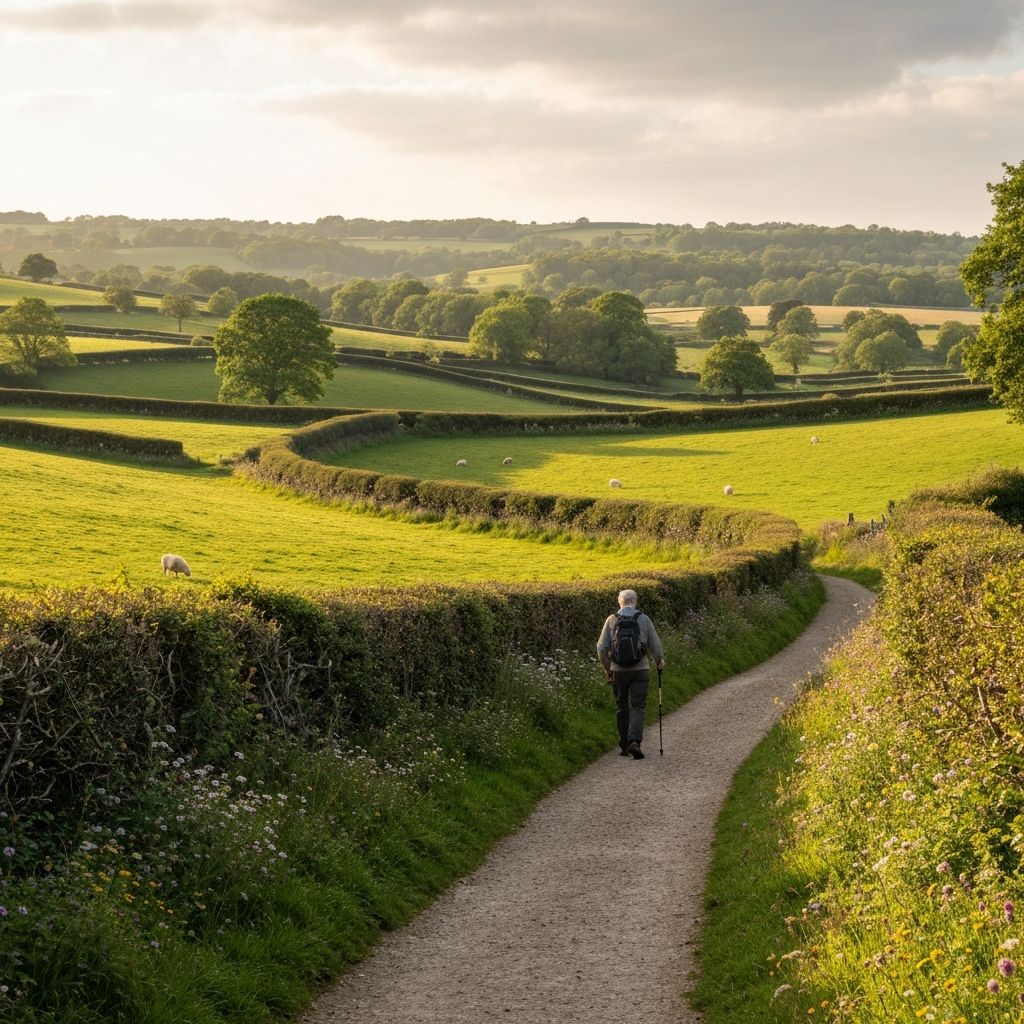
Many of the walking routes developed during traditional Wessex life continue to exist today. Ancient footpaths, bridleways, and walking routes preserve historical patterns of movement and provide contemporary access to countryside.
Preservation of these routes maintains both historical connection and contemporary recreational walking opportunities. These paths reflect centuries of use and represent cultural heritage preserved in landscape features.
Contemporary walking in Wessex often follows routes with deep historical roots, creating continuity between past and present patterns of movement through the landscape.
Educational Information: This article provides historical and informational context about walking and physical activity in traditional Wessex life. It is not advice about physical activity, exercise, or health. Different individuals have different capacities and needs. This content explores historical patterns for informational and educational purposes.
Explore More Articles
For more detailed explorations of Wessex food heritage and regional traditions: