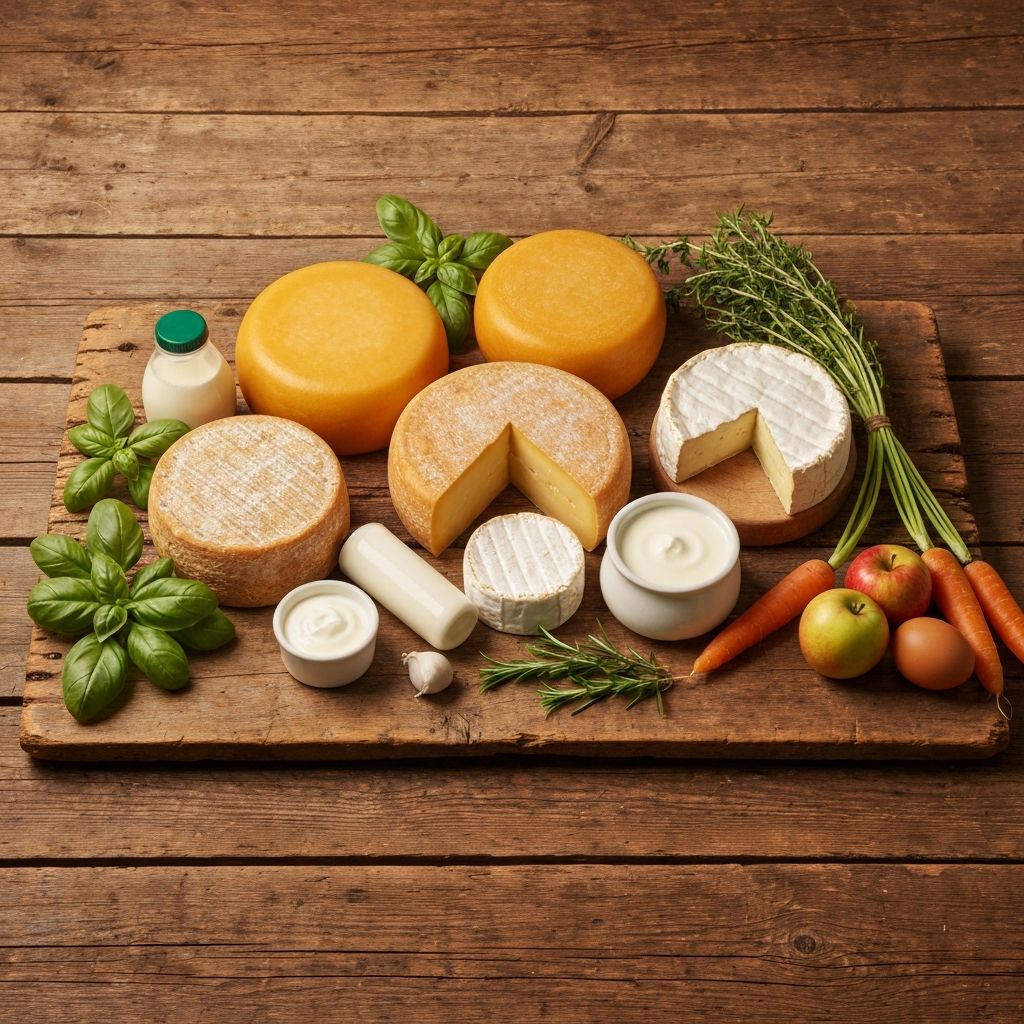
Dairy and Cheese in Regional Heritage
Exploring Wiltshire dairy traditions, cheese-making craftsmanship, and cultural significance in Wessex food heritage
Dairy Farming in Wessex
Dairy farming represents a fundamental part of Wessex agricultural heritage. The region's climate, grasslands, and water sources created ideal conditions for cattle raising and milk production.
Wiltshire particularly developed strong dairy traditions centered on cheese production. The milk from regional dairy herds became the foundation for cheese-making craftsmanship that became regionally distinctive.
Dairy farming required consistent care, skill, and knowledge developed across generations. Animal husbandry practices, understanding herd health, managing pastures, and processing milk all represented crucial agricultural knowledge.
Cheese-Making Traditions
The transformation of milk into cheese was a central agricultural and cultural practice in Wessex. Cheese production served multiple purposes: it preserved dairy products, created value-added goods, and supported economic activity.
Traditional cheese-making required specific knowledge about milk quality, fermentation processes, aging conditions, and flavor development. This knowledge was held by specialized cheesemakers and transmitted through apprenticeship and family traditions.
Different cheeses developed specific regional characteristics based on milk type, local bacterial cultures, water quality, salt sources, and aging conditions. These variations made Wessex cheeses distinctive and valued.
Wiltshire Cheese Heritage
Wiltshire developed particular reputation for specific cheese varieties that became regionally characteristic. These cheeses reflected the local milk quality, established methods, and specific ingredients available in the region.
Traditional Wiltshire cheeses were adapted to regional conditions and developed specific flavor profiles. Some were harder cheeses suited to storage, others were fresh cheeses for immediate consumption. The diversity reflected different purposes within the food system.
Regional cheese-making families often held specific knowledge and methods, creating variation even within Wiltshire traditions. This diversity represented both practical adaptation and cultural expression through food.
Nutritional and Preservation Functions
Cheese transformed milk into a more stable form, extending the preservation time of dairy nutrition. Fresh milk had limited shelf-life, while cheese could age for months, providing stable food storage.
Cheese provided significant nutrition—concentrated protein, fat-soluble vitamins, and minerals. In traditional diets, cheese represented an important nutritional contributor, particularly during seasons when fresh milk availability declined.
The transformation of abundant milk during peak season into preserved cheese supported year-round food availability. This preservation capacity made dairy farming economically viable year-round.
Cultural and Economic Significance
Dairy products and cheese held cultural importance beyond nutrition. They featured in regional celebrations, feasts, and everyday meals as markers of quality and tradition.
Cheese represented economic value. Quality cheeses commanded prices that supported dairy farming as an economic activity. Regional reputation for cheese quality contributed to regional economic value and identity.
Cheese also featured in trade networks. Distinctive regional cheeses were traded beyond the immediate production area, contributing to broader regional economic integration and reputation.
Contemporary Dairy and Cheese Production
Modern dairy farming and cheese production in Wessex continue traditions while incorporating contemporary methods and responding to modern markets. Many traditional cheese-making families continue operation, while new producers also establish themselves.
Contemporary interest in artisanal cheese, local food systems, and regional agricultural heritage has created renewed attention to traditional Wessex cheese varieties and production methods. This supports both heritage preservation and economic viability of traditional producers.
Farmers markets, farm shops, and regional food networks feature Wessex cheeses, maintaining connections between contemporary consumers and dairy heritage.
Butter and Other Dairy Products
Beyond cheese, dairy products included butter, cream, and fresh milk in various forms. Butter production was particularly important as a preserved dairy product and cooking ingredient.
Traditional butter-making involved collecting cream, churning, and salting. The salt both preserved the butter and added flavor. Salted butter provided a stable dairy product suitable for storage and trade.
The diversity of dairy products reflected both seasonal milk availability and multiple uses. Fresh milk, cream, cheese, and butter served different purposes in the food system and represented different preservation strategies.
Educational Information: This article provides historical and informational context about dairy and cheese in Wessex traditions. It is not nutritional or medical advice. Different individuals have different dietary needs and tolerances. This content explores cultural practices and agricultural heritage for informational and educational purposes.
Explore More Articles
For more detailed explorations of Wessex food heritage and regional traditions: